


Thermal Management & Charging Systems
|
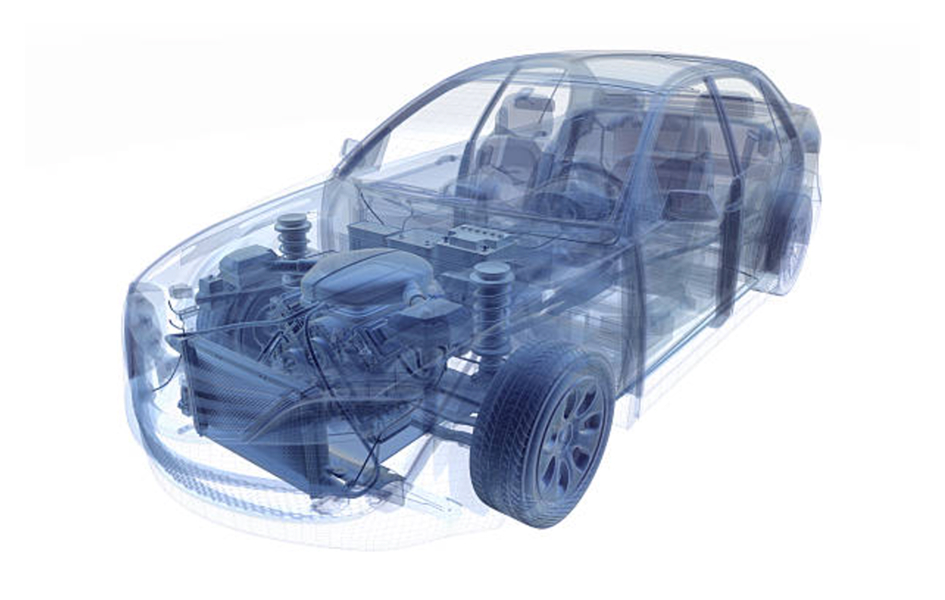
Thermal Management Systems Vehicle’s thermal management system coordinates the interaction between components and subsystems such as the engine, air conditioning system, motor, and battery. It controls thermal-related issues across the vehicle, ensuring that each functional module operates within its optimal temperature range. This enhances automotive performance, reliability, and stability while guaranteeing safe and steady operation. |
 |
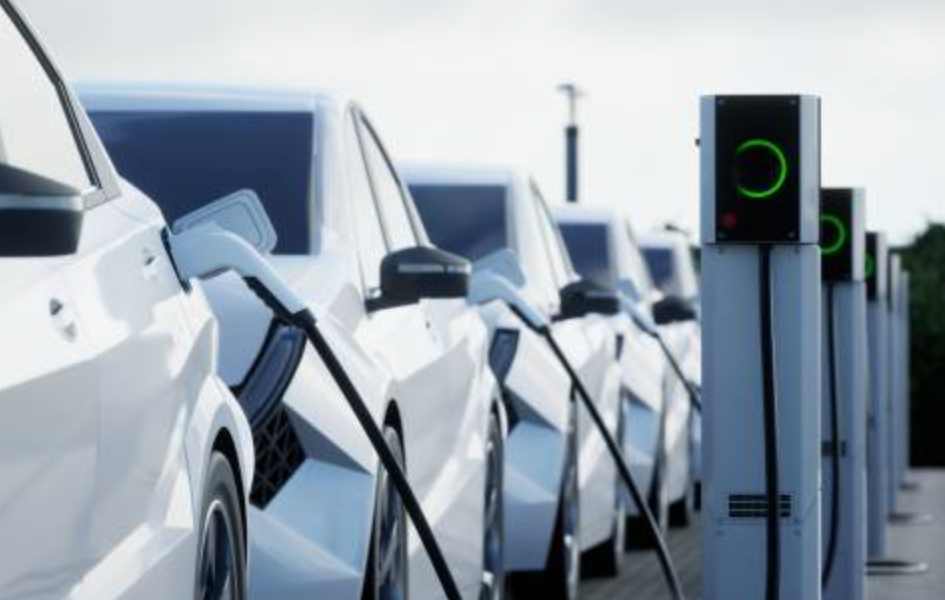 |
Charging Systems The charging system includes facilities such as charging piles and charging stations, which are used to replenish energy for new energy vehicles. A conventional charging system consists of several key components, including charging piles, high-voltage control boxes, power battery packs, low-voltage batteries, and various control wiring harnesses. When alternating current (AC) is transmitted to the vehicle through the control guidance device and charging gun, it undergoes rectification, filtering, and voltage conversion. The AC is transformed into high-voltage direct current (DC) that meets charging requirements and is delivered to the power battery pack. Simultaneously, a portion of the electrical energy is transmitted to the low-voltage battery of the vehicle being charged. This process ensures efficient and reliable charging while maintaining the safety and performance of the vehicle's power system. |